

type of frosted glass
Understanding C Gauge A Comprehensive Overview The C gauge, commonly used in the field of instrumentation and measurement, plays a crucial role in various industrial applications. This article will explore the significance of the C gauge, its mechanisms, applications, and implications in the industry. What is C Gauge? The term C gauge typically refers to a specific type of gauge used for measuring parameters that can be expressed as a percentage of a certain capacity or threshold. The “C” designation often relates to a specific calibration standard, while “20” indicates a percentage measurement. This type of gauge is essential for precise metering and monitoring, particularly in environments requiring strict adherence to standards. Principles of Operation C gauges operate based on the principle of physical measurement, where the gauge translates the physical properties of a substance into readable values. The mechanism might involve various technologies, including mechanical, electronic, or digital systems. For instance, in an industrial setting, the sensor component of the gauge interacts with the medium to provide real-time data regarding levels, pressure, or flow, converting these readings into percentage values. Applications in Industry The applications of C gauges are broad and varied, spanning multiple sectors such as manufacturing, petrochemicals, food processing, and pharmaceuticals. In manufacturing plants, for instance, they are essential for monitoring raw material levels, ensuring optimal production processes. Similarly, in the petrochemical industry, these gauges help in measuring the content of various chemicals in a mixture, ensuring safety and compliance with regulatory standards. c gauge In the food processing sector, C gauges aid in maintaining the quality and safety of food products by monitoring ingredients accurately, contributing to overall quality control. In pharmaceuticals, precise measurement is crucial; thus, C gauges become vital tools in ensuring that formulations are correct and meet the required specifications. Importance of Accuracy and Calibration Accuracy in measurement cannot be overstated. The effectiveness of a C gauge depends significantly on its calibration. Periodic calibration ensures that the gauge provides reliable readings, which is crucial for safety and efficiency in operations. Failure to maintain accurate gauges can lead to poor decision-making, resulting in financial losses or hazardous situations. Future Trends As industries move towards automation and smarter technology, C gauges are evolving. The integration of Internet of Things (IoT) capabilities is becoming more prevalent, allowing for remote monitoring and data analysis. This technological evolution is enhancing predictive maintenance and operational efficiency, pushing industries toward a more data-driven approach. Conclusion In summary, the C gauge is an integral component of numerous industrial processes, providing vital measurements that ensure efficiency, safety, and compliance with standards. Understanding its operation, applications, and the importance of accuracy can offer valuable insights into its role in modern manufacturing and processing environments. As technology continues to advance, the relevance and capabilities of C gauges will undoubtedly expand, further solidifying their place in industrial measurement and control systems. Ultimately, investing in high-quality gauges and maintaining their accuracy will contribute to better operational practices and improved outcomes across industries.
about
type of frosted glass
Understanding Reversible Thread Plug Gages In the realm of manufacturing and quality control, ensuring the precision of threaded components is paramount. One of the most effective tools for this purpose is the reversible thread plug gage. This specialized gage is designed to provide accurate measurements of internal threads in mechanical components, ensuring that they meet stringent industry standards. What is a Reversible Thread Plug Gage? A reversible thread plug gage is a cylindrical tool that features a threaded section at one or both ends. These gauges are used to measure the internal threads of holes in components, confirming their pitch diameter, form, and lead accuracy. Unlike standard thread gages, reversible gages can be flipped to measure threads of different pitches or diameters, making them a versatile choice for manufacturers. Applications of Reversible Thread Plug Gages Reversible thread plug gages are extensively used in industries where threaded components are critical. For example - Automotive Manufacturing With many of the components in vehicles featuring intricate threading (e.g., cylinder heads, exhaust systems), ensuring precision is crucial for safety and performance. - Aerospace Engineering Any component that involves flight must adhere to specific tolerances. Reversible thread plug gages help maintain these critical specifications. - Industrial Equipment Machinery often relies on threaded fasteners for assembly and operation. Ensuring these threads meet specifications is vital for the longevity and functionality of the equipment. Benefits of Using Reversible Thread Plug Gages 1. Accuracy and Precision The primary advantage of using reversible thread plug gages is their ability to provide accurate readings of thread dimensions. This ensures that parts will fit together correctly, reducing the risk of failure in critical applications. 2. Cost-Efficiency By offering two measuring pitches in one tool, reversible gages reduce the need for multiple tools, saving manufacturers money and storage space. reversible thread plug gages 3. Ease of Use These gages are simple to operate, allowing operators to quickly verify thread dimensions without complicated setups . The user-friendly design makes them accessible even to less experienced personnel. 4. Durability High-quality reversible thread plug gages are made from robust materials, enabling them to withstand repeated use in demanding industrial environments. This durability ensures long-term reliability and reduces the frequency of tool replacements. Standards for Thread Measurement To ensure consistency and reliability, reversible thread plug gages adhere to specific standards, such as those set by the American National Standards Institute (ANSI) and the International Organization for Standardization (ISO). These standards define acceptable limits for pitch diameter and other critical thread parameters, ensuring that the gages provide accurate results. Maintenance and Care Maintaining reversible thread plug gages is essential for ensuring their longevity and accuracy. Here are some tips for proper care - Regular Calibration Regularly calibrating gages against known standards helps maintain accuracy. - Cleaning Keeping the gages clean from dirt, oil, and debris ensures that they function correctly and do not produce erroneous measurements. - Storage They should be stored in a protective case when not in use to prevent damage. Conclusion Reversible thread plug gages are indispensable tools in the manufacturing and quality assurance processes, providing an efficient means of measuring internal threads with exceptional accuracy. Their versatility, cost-effectiveness, and compliance with international standards make them a critical component for industries that rely on precision engineering. By investing in high-quality reversible thread plug gages and maintaining them properly, manufacturers can enhance the quality of their products, ultimately leading to improved performance and customer satisfaction. Whether in the automotive industry, aerospace, or general industrial applications, these gages play a crucial role in advancing modern manufacturing processes.
-

High quality industrial productsagement

High quality industrial products
View Details -

Meet the diverse needs of customers

Meet the diverse needs of customers
View Details -

Strict quality control

Strict quality control
View Details -

Top raw materials

Top raw materials
View Details -

Trusted supplier

Trusted supplier
View Details
Our application

news and information
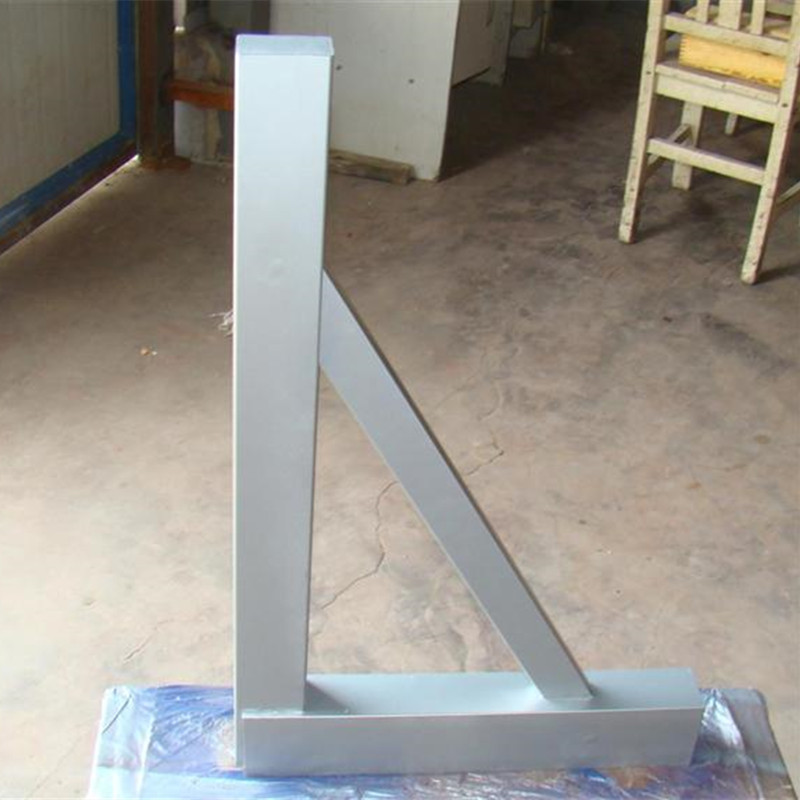
Welding Workbench for 4x8 Projects A Sturdy and Versatile Solution for Fabrication Work
Welding is a crucial process in the manufacturing industry, and having the right equipment is essent

Wskaźnik pierścienia gwintu standardowy
Standardy narzędzi do pomiaru gwintów – Gniazdo gwintowe Standardy narzędzi do pomiaru gwintów – Gni
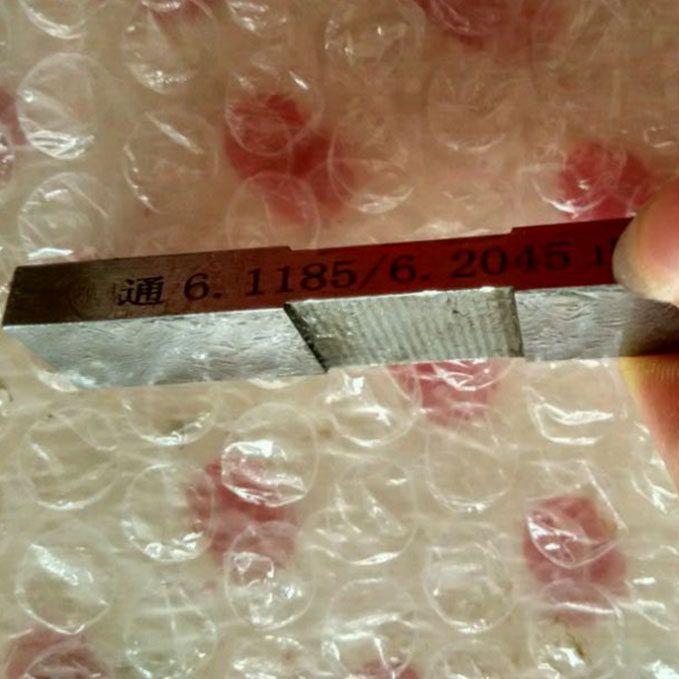
Versatile 90 Degree Angle Tool for Precision Measurements and Layouts
The 90-degree angle ruler, also known as a right angle ruler, is an essential tool in various fields
 English